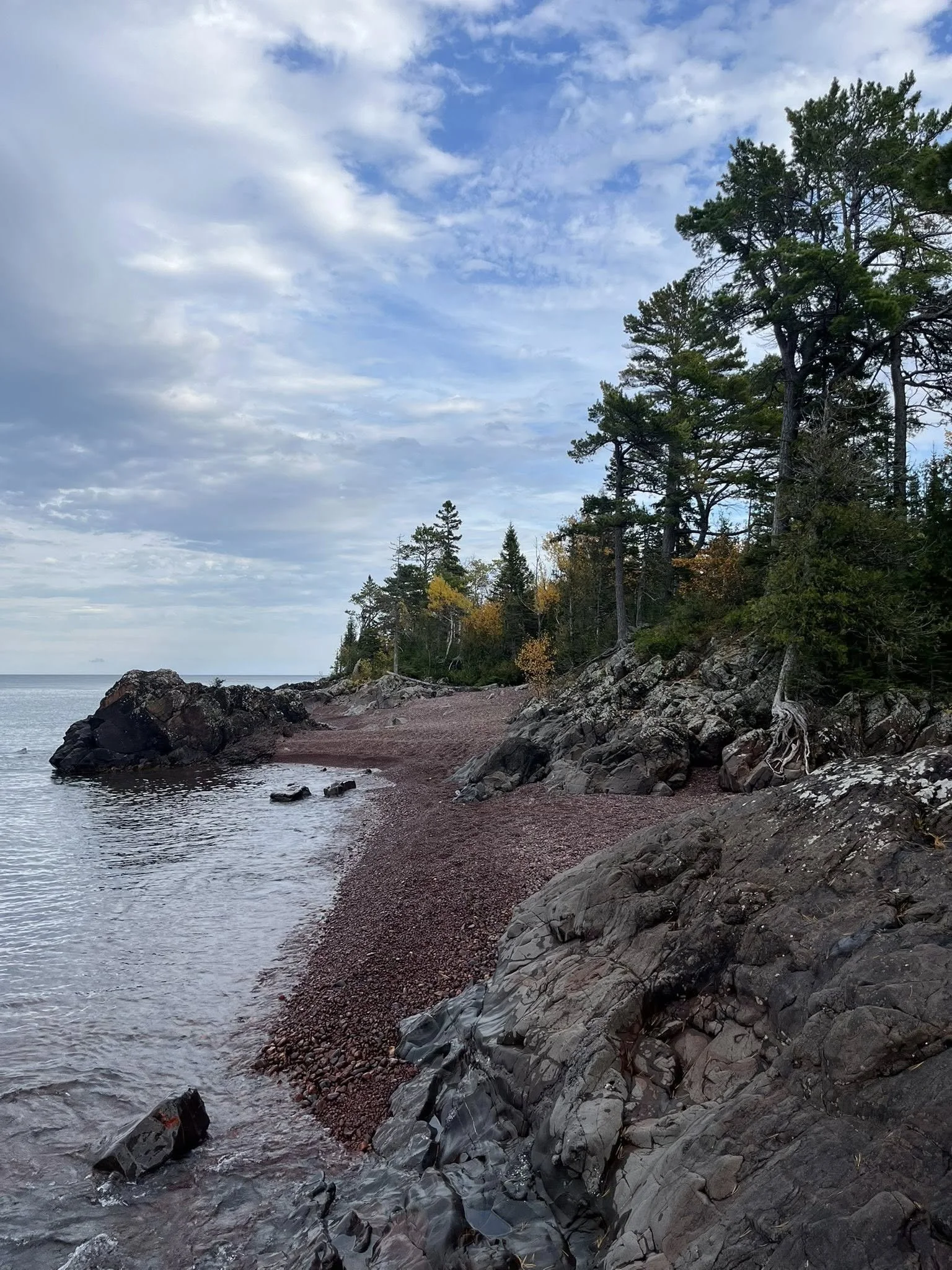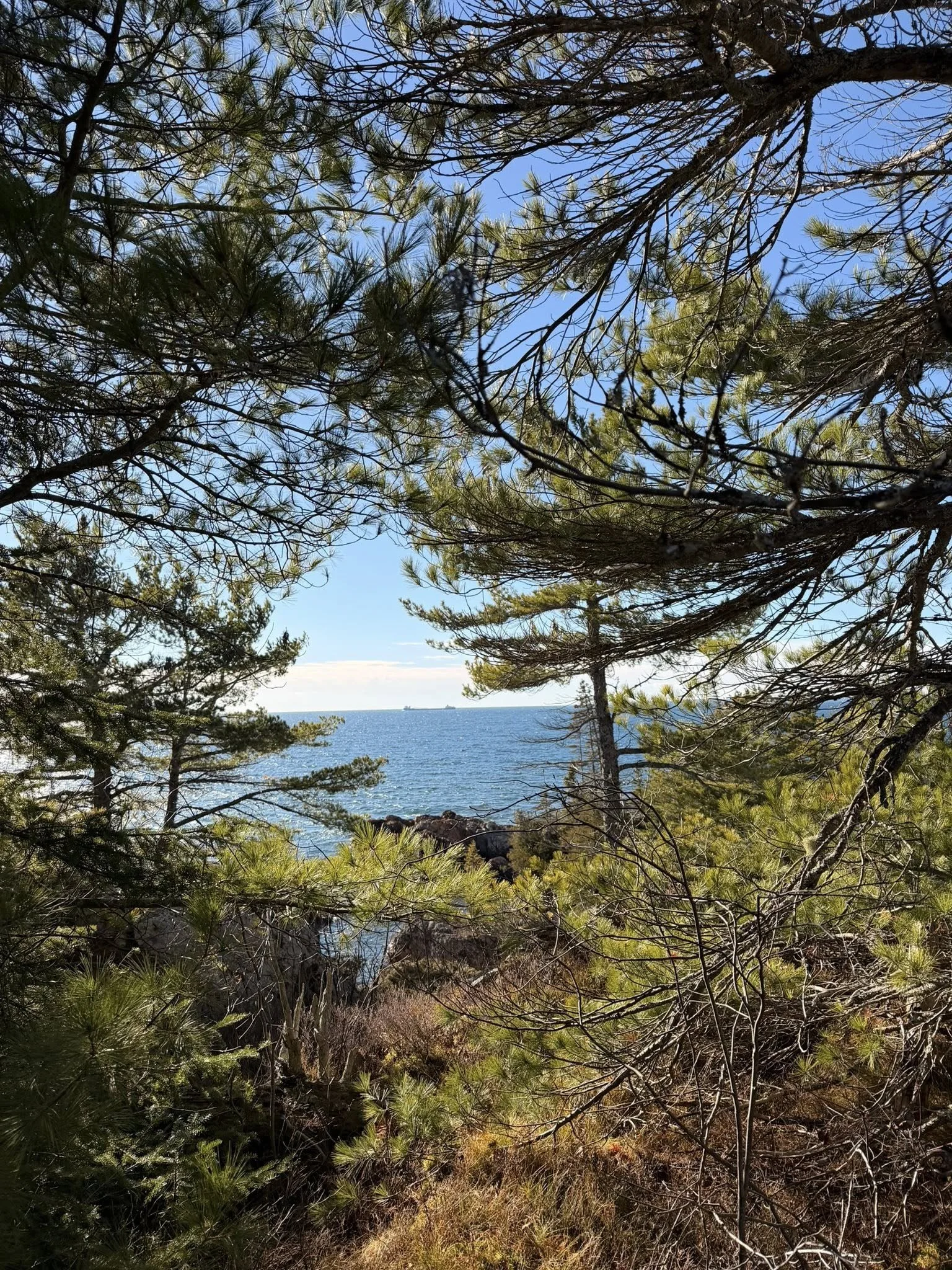
Our Shared Identity: Grounded in Our Connections to Place
Upper Peninsula residents represent only 3% of the state’s population, but we manage rugged terrain and thrive in some of the most demanding winters in the country. Here, resilience isn’t just a trait—it’s a way of life.
Baraga, Houghton, Keweenaw, and Ontonagon counties border Gichigami (Lake Superior), where natural resources, including fish, trees, and minerals, have long defined local and regional economies.
Like many rural communities, we are experiencing change as we respond to global market shifts and environmental challenges. Northern ROOTS was formed to address specific challenges we face as rural, natural resource-reliant communities.
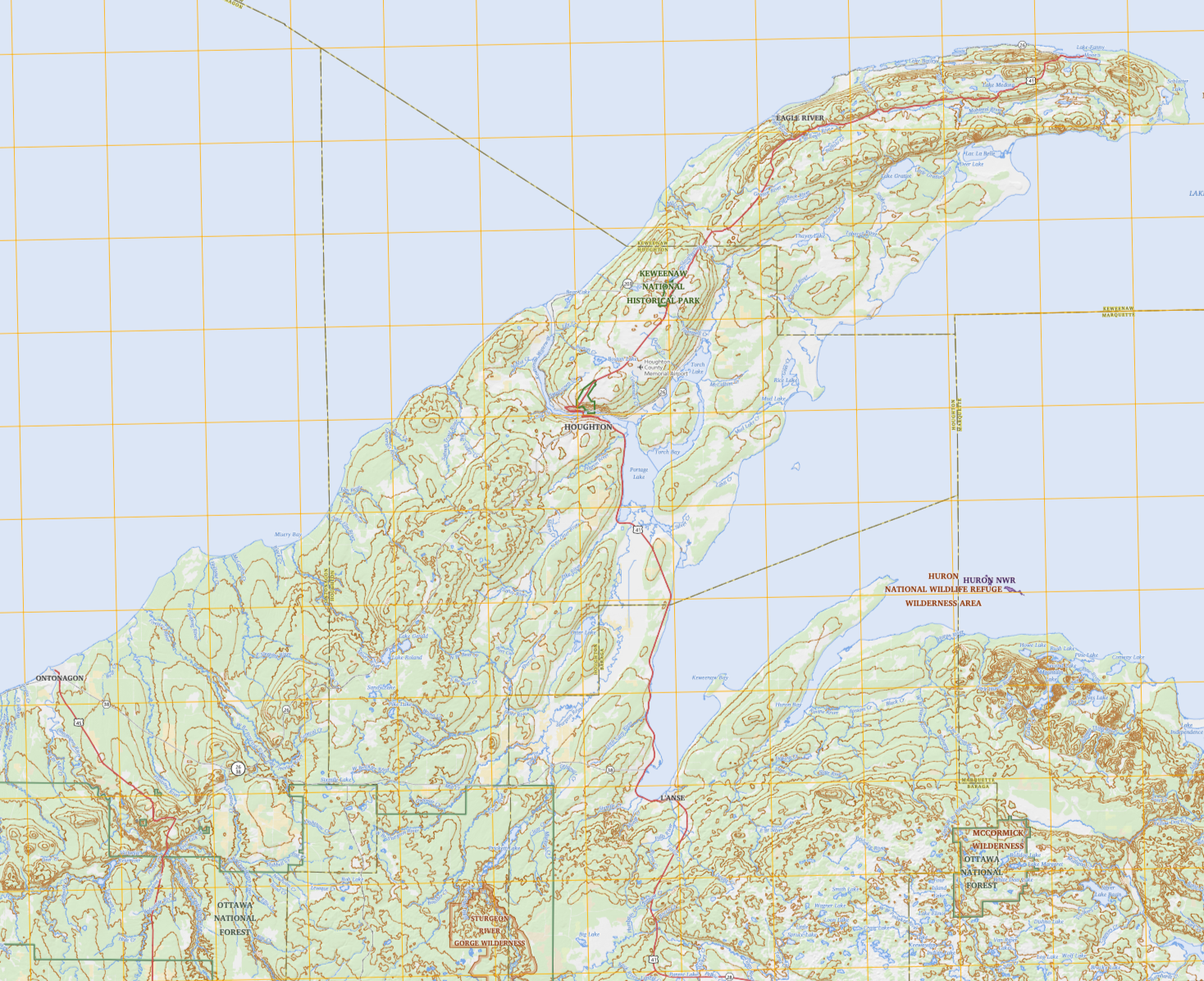
Image: Topo Map by USGS
Our Mission: Grit + Community-Driven Power
We envision a future in which a diversified natural resource-based economy sustainably supports prosperity and resilience for all residents. We undertake actions that build community capacities to actively define and shape our futures. Our proactive approach to community development welcomes opportunities while balancing environmental stewardship and accessibility to public services. We are forging a scalable model through the following strategies:
Sustainable Industry Development: Creating industry-community partnerships that build diverse economies and support well-paying jobs in tourism, recreation, and natural resources;
Building Multistakeholder Networks: Relationship building that engages trust as the foundational infrastructure for transformative community change; and
Honoring Treaties: Stewarding the lands and waters within the Ceded Territories and Home Territories of the Keweenaw Bay Indian Community as defined by the 1842 Treaty of La Pointe.
Core Pillars of Investment
Northern ROOTS directs our efforts into four high-impact areas, which will ensure the region remains livable, beautiful, and sustainable for future generations:
Thriving Forests & Balanced Economies: The timber, mining, fisheries, and recreation industries have comprised the backbone of our economy for generations. We engage strategies that enable the continued co-existence of these sectors by leveraging existing assets, attracting aligned investments, and navigating conflicting land uses.
Building Local Leadership: In rural communities, the ability to work together efficiently is vital. We utilize a train-the-trainer model to embed skilled leadership in our communities, ensuring our communities have the locally grounded expertise to proactively plan for and lead future economic shifts.
Experiential & Applied Learning: We aim to adapt and strengthen proven approaches. By studying other forest-reliant regions facing similar challenges—such as recreation-based tourism and economic diversification—we bring global best practices back and apply them through a local lens.
Creating an Ethical Space: Actively learning how the rights and responsibilities to these lands and waters inform rural development beyond the legal framework of the two treaties signed by the L’Anse and Ontonagon Bands of the Lake Superior Chippewa Indians and the United States (1842, 1854) is foundational to long-term sustainability of the region.
Project Team
Nia Becker
Dovetail Partners, Community Partners Initiative Associate
Brad Barnett
Executive Director, Visit Keweenaw
Angie Carter
Rural Sociologist, Research for Good, LLC
Kathryn Fernholz
President/CEO, Dovetail Partners
Anne Kretschmann
District Manager, Ontonagon Conservation District
Robin Meneguzzo
Project Convenor and CEO, Keweenaw Community Foundation
Rachael Pressley
Planning Director, Western U.P. Planning & Development Region
Jeff Ratcliffe
Executive Director, Keweenaw Economic Development Alliance
Mark Rudnicki
Forest Biomatierials & Bioeconomy, Cambium Consulting LLC
Kelly Ryan
Senior Advisor, U.S. Endowment for Forestry and Communities
Emily Shaw
Great Lakes Resource Specialist, Natural Resources Department, KBIC
Jerry Wuorenmaa
Executive Director, Western U.P. Planning & Development Region
Development of a Keweenaw Region Destination Stewardship Council & Destination Stewardship Plan
The Northern ROOTS Collaborative is soliciting proposals from qualified firms, consultants, or interdisciplinary teams to support the establishment of the Keweenaw Destination Stewardship Council (KDSC) and to lead development of a comprehensive Destination Stewardship Plan (DSP) for Baraga, Houghton, Keweenaw, and Ontonagon Counties.
This initiative is intended to create durable regional capacity for destination stewardship: the collaborative management of tourism and recreation in ways that strengthen resident quality of life, protect natural and cultural resources, support a resilient visitor economy, and sustain the communities that make the Keweenaw a desirable place to live and visit.
For more information, please review the Request for Proposals.
Webinar and Q&A Session
On Monday, October 5, the team hosted a Q&A meeting. View the recorded meeting recap here.

Project Resources
Building Our Futures Community Survey
This descriptive report presents the findings from the Spring 2026 Building Our Futures Community Survey administered by the Data Justice Subcommittee of the Northern ROOTS Collaborative project.
2025-2026 Community Knowledge Project Final Report
The project’s purpose is to inform Northern ROOTS Collaborative’s work across these sectors as well as to identify opportunities for the creation of a future community data hub.
Fall 2025 Keweenaw Community Knowledge Sessions Report
Keweenaw Community Foundation (KCF) and collaborative partners sought to understand what knowledge local organizations, Tribal departments, government agencies, and community groups already held, and how it could be used to foster collaboration across the region.
Project Foundation
Core funding for this project is provided by The U.S. Endowment for Forestry and Communities, a catalyst for innovation in forest-rich areas.
Our framework is adapted from Preparing Plan B: A Guidebook for Forest Industry-Reliant Communities Facing Economic Transition.
Contact
For more information, contact Robin Meneguzzo at robin@keweenawgives.org or 906-482-9673.